
Oosthuizen: a centuries-old history
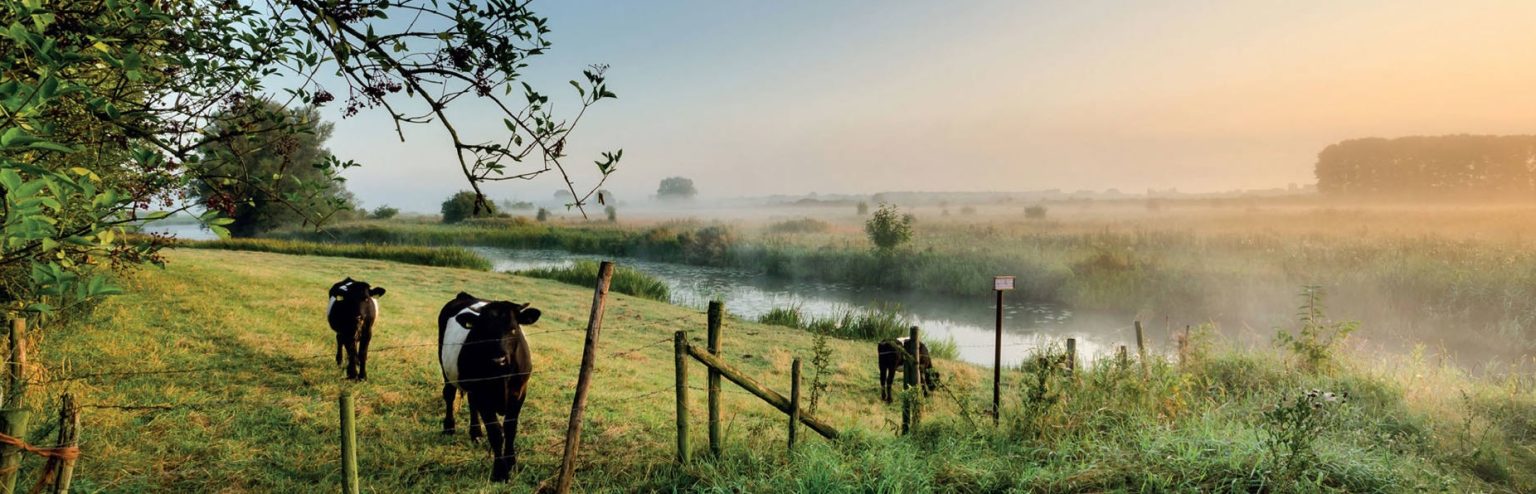
But first, a bit of history. That goes way back. As early as the thirteenth century, a dike was constructed in the vicinity of where Oosthuizen is located today. It was meant to protect the land against the water. This is how the polder area Die Seevanck, or Zeevang, came to be. Literally: an area enclosed or 'trapped' by water or dikes. Initially, people lived mainly off fishing, later the emphasis shifted more to agriculture. The area is still strongly agrarian, with vast polders consisting mainly of grassland.
Facilities in and around Oosthuizen
Fortunately, Oosthuizen has much more to offer than just a beautiful setting and the Markermeer. There are various shops for daily groceries (including a supermarket), a snack bar, a primary school, and childcare. There are also several sports clubs. The school, childcare, and sports clubs are housed in a multifunctional building (De Groote Molen), which also contains a cultural center. Well worth a visit is the children's book museum Het Schooltje van Dik Trom. But the crown jewel of the village is the Gothic Grote Kerk from 1518, featuring an organ, pipework, and casing from the fifteenth century.
Edam, Hoorn, Purmerend and Amsterdam accessible via A7
More shops, restaurants and primary schools, as well as secondary education, museums, theaters and other amenities, can be found in the surroundings of Oosthuizen. In various villages. Or in Edam, Volendam, Hoorn and Purmerend. Everything is easily accessible via the A7. Amsterdam as well!
New construction in Oosthuizen
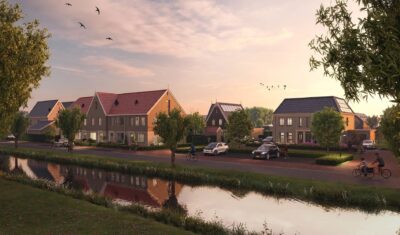
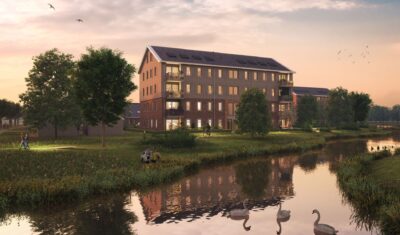
On this page you will find the new construction offers that have been registered with us for Oosthuizen. You can also read the latest news. An overview of the new construction offers in the region (Metropolitan Region Amsterdam) can be found on the supply page on this website.